

With AgriConnect, the World Bank Group Aims to Help Transform African Agriculture
If you have traveled almost anywhere in Africa, you have likely seen smallholder farm plots lining the roadsides many no larger than an acre. This widespread sustenance farming is resilient and essential, yet it also highlights one of the continent’s most pressing challenges: feeding itself.
Agriculture is the backbone of many African economies. It provides an estimated two-thirds of all jobs and contributes roughly a third of the continent’s GDP. Africa grows almost everything from maize, sugarcane, and rice to coffee, tea, nuts, and an extraordinary variety of fruits and vegetables.
The skill of African farmers is not in doubt. And yet, despite this abundance, Africa remains a net importer of food, spending an estimated $50 billion each year on imports, while much of its agricultural potential remains untapped.
Over the past few decades, Africa’s food import bill has more than tripled. This trend is driven not by a single cause, but by a combination of factors: rapid population growth, weak infrastructure and supply chains, limited investment, stalled productivity, and growing pressures from changing weather patterns.
While farmers and farming are visible everywhere in Africa, food insecurity remains a persistent challenge.
Addressing it will require nothing short of a transformation in agriculture one built on integrated, practical solutions that raise farmers’ incomes, boost productivity, connect producers more effectively to markets, and ultimately reduce Africa’s dependence on imports.
That is the motivation behind the AgriConnect Initiative, launched by The World Bank Group. AgriConnect is an ambitious global effort, with a strong focus on Africa, designed to help smallholder farmers move from subsistence to surplus producing not just for survival, but for markets, income, and growth.
AgriConnect works by bringing together governments, the private sector, farmers, and development partners to build a powerful alliance for sustainable agricultural growth. Its approach spans the entire system: improving policies, strengthening infrastructure and skills, reducing investment risks, and mobilizing capital where it is most needed.
Working as one World Bank Group, IFC is providing and mobilizing the financing, while the World Bank is focusing on the policy changes and government-led programs needed for success.
The initiative is already gaining momentum. AgriConnect is supporting governments in developing action plans to grow and modernize their agricultural sectors. In some cases, we will sign country compacts with governments to outline action plans. In all cases, we willfocus on improving agribusiness across the continent.
Beyond policy reform, AgriConnect is helping to build the foundations for long-term success. This includes investments in infrastructure such as irrigation and logistics, support for workforce development, and efforts to make agricultural investments more attractive and less risky for the private sector. As part of this commitment, the World Bank Group has pledged to double its food sector financing to $9 billion annually and mobilize an additional $5 billion.
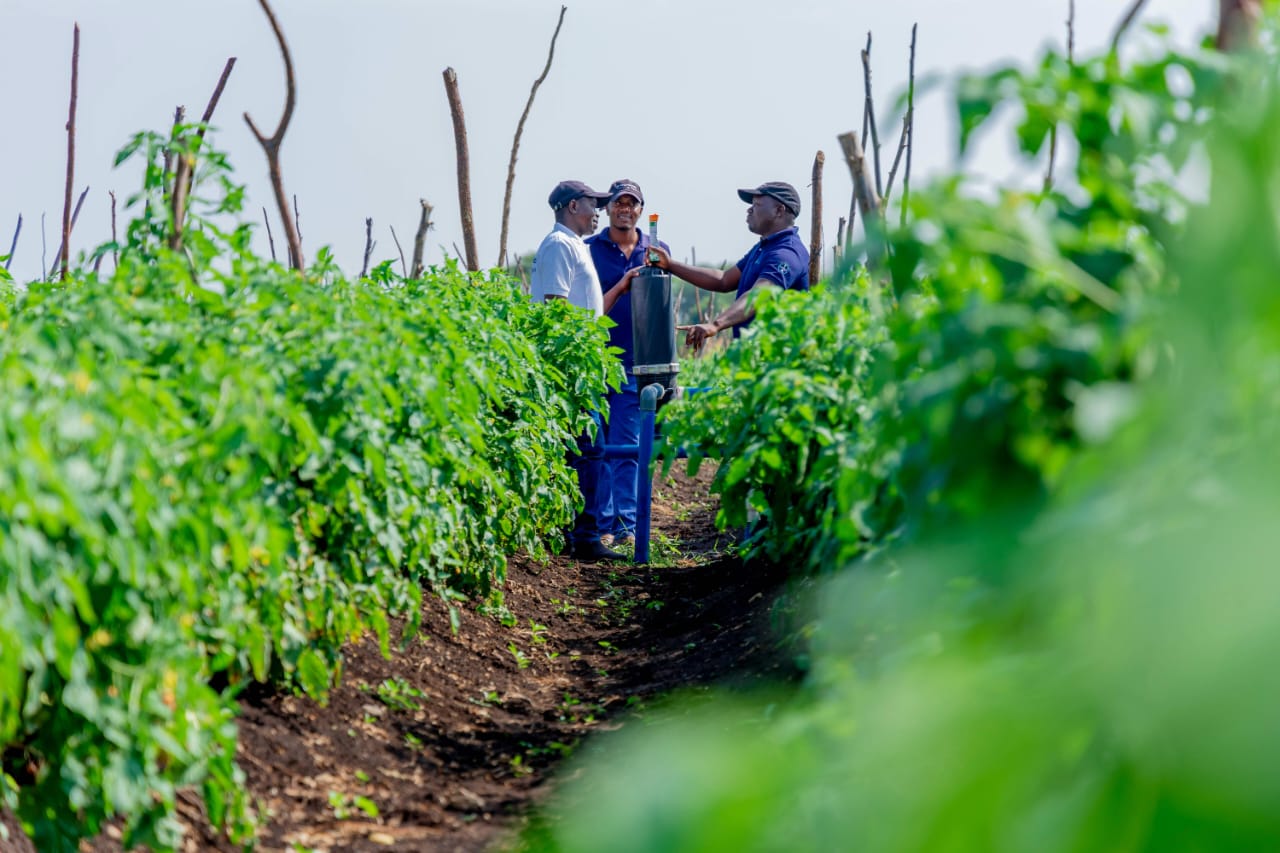
An early example of AgriConnect in action can be seen in Malawi. There, IFC provided financing to Illovo Sugar to upgrade their irrigation infrastructure and connect it to a major canal under the World Bank’s Shire Valley Transformation Program helping improve water access, productivity, and resilience.
But this is only the beginning. To understand what is possible when smart policy, investment, and innovation come together, consider the Netherlands a country roughly the size of Djibouti or Eswatini that has become the world’s second-largest agricultural exporter by value.
In Africa, AgriConnect is backed by a strong coalition of partners, including the African Development Bank Group (AfDB), International Fund for Agricultural Development (IFAD) , the Inter-American Development Bank (IDB), Bayer, and Google. We expect more to join.
We invite others across the food system from producers and agribusinesses to financiers and innovators to learn more about AgriConnect and join us in building a more productive, resilient, and food-secure future for Africa.
by Ethiopis Tafara, IFC’s Vice President for Africa