
WAEMU: Shelter Afrique Development Bank Raises FCFA 60 Billion to Accelerate Sustainable Housing Finance
By the IBA Editorial Board
Nairobi / Dakar / Abidjan
By successfully closing its inaugural FCFA 60 billion sustainable bond on the WAEMU regional market, Shelter Afrique Development Bank (ShafDB) has mobilized domestic savings alongside IFC and Ecobank. This landmark transaction directly addresses a regional housing deficit estimated at 3.5 million units while eliminating foreign-exchange risk.
The Context
From October 7 to October 30, 2026, Shelter Afrique Development Bank (ShafDB) conducted a sustainable bond issuance on the West African Economic and Monetary Union (WAEMU) financial market. The bond was structured into two tranches: a five-year tranche yielding 6.10% and a seven-year tranche yielding 6.30%. Arranged with the support of CGF Bourse as Lead Arranger and United Capital Asset Management (UCA) as Co-Lead Manager, the transaction received approval from the Financial Markets Authority of the West African Monetary Union (AMF-UMOA) and the Central Bank of West African States (BCEAO).
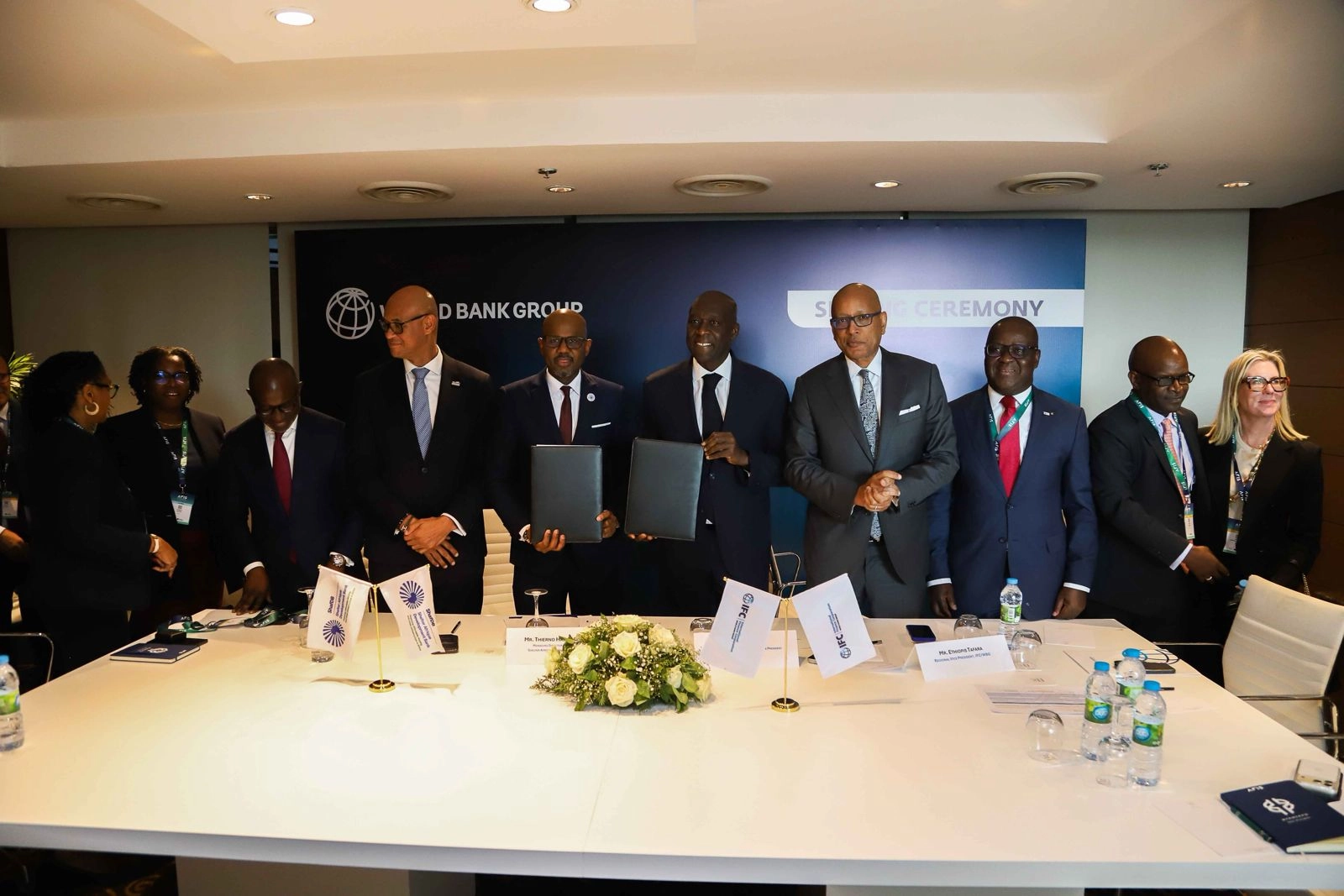
This inaugural issuance was anchored by two leading investors: the International Finance Corporation (IFC), a member of the World Bank Group, and Ecobank Group through Ecobank Senegal, with strategic participation from the West African Development Bank (BOAD). The anchor agreement with IFC was signed on the sidelines of the 2026 Africa Financial Industry Summit (AFIS) in Angola.
The Strategic Stakes
Across the eight member states of the Union, the cumulative housing deficit stands at nearly 3.5 million units, with an additional annual demand of 250,000 homes. Beyond the amount raised, issuing debt in local currency (FCFA) represents a decisive macroeconomic advantage. By aligning the currency of the debt with the revenue streams of households and property developers, ShafDB eliminates the foreign-exchange exposure that traditionally weakens real estate infrastructure projects financed in hard currencies.
This first phase will directly finance a portfolio of certified sustainable projects comprising 17,554 affordable and environmentally friendly housing units. It is also expected to generate 87,772 direct and indirect jobs across the regional construction value chain.
From a regulatory and sustainability standpoint, the bond is based on a Sustainable Finance Framework developed in partnership with the Global Green Growth Institute (GGGI). The framework received a positive opinion from S&P Global Ratings, confirming its alignment with international standards (ICMA and LMA).
IBA Outlook
This transaction marks a major step forward in deepening the sub-region’s bond markets. It demonstrates that domestic and regional institutional savings can now be channelled into real assets that are resilient to climate change. By implementing its strategic plan (#NAFAD), ShafDB’s management, led by Thierno-Habib Hann, is establishing a replicable model for the CEMAC and SADC regions while strengthening pan-African economic integration.
The IBA Analysis
Local Bond Markets: A Safeguard Against Macroeconomic Shocks
ShafDB’s issuance illustrates the growing maturity of West African capital markets, which are increasingly capable of absorbing long-term debt (up to seven years) at competitive rates (below 6.5%). By bringing together global multilateral institutions (IFC), pan-African banking leaders (Ecobank) and regional development banks (BOAD), the transaction validates the model of blended finance denominated in local currency.
For African economic policymakers, the lesson is clear: financing rapid urbanization requires decoupling affordable housing from external debt and anchoring structural transformation in regional liquidity.